What is youth mentoring?
For many children in foster care or navigating family instability, trusted relationships with adults have been hard to come by—or haven’t lasted. Ariel’s Youth Mentoring program pairs children and youth ages 6–18 with trained mentors who work toward goals that matter to that young person, whether that’s learning to manage emotions, exploring new interests, building life skills, or having someone reliable in their corner. The program serves children and youth in foster care, those who have been adopted, those living at home with their birth families, and those whose families use Children’s Extensive Support (CES) or Children’s Habilitation Residential Program (CHRP) waiver services. County professionals and funders may know it as Community Support Services (CSS).
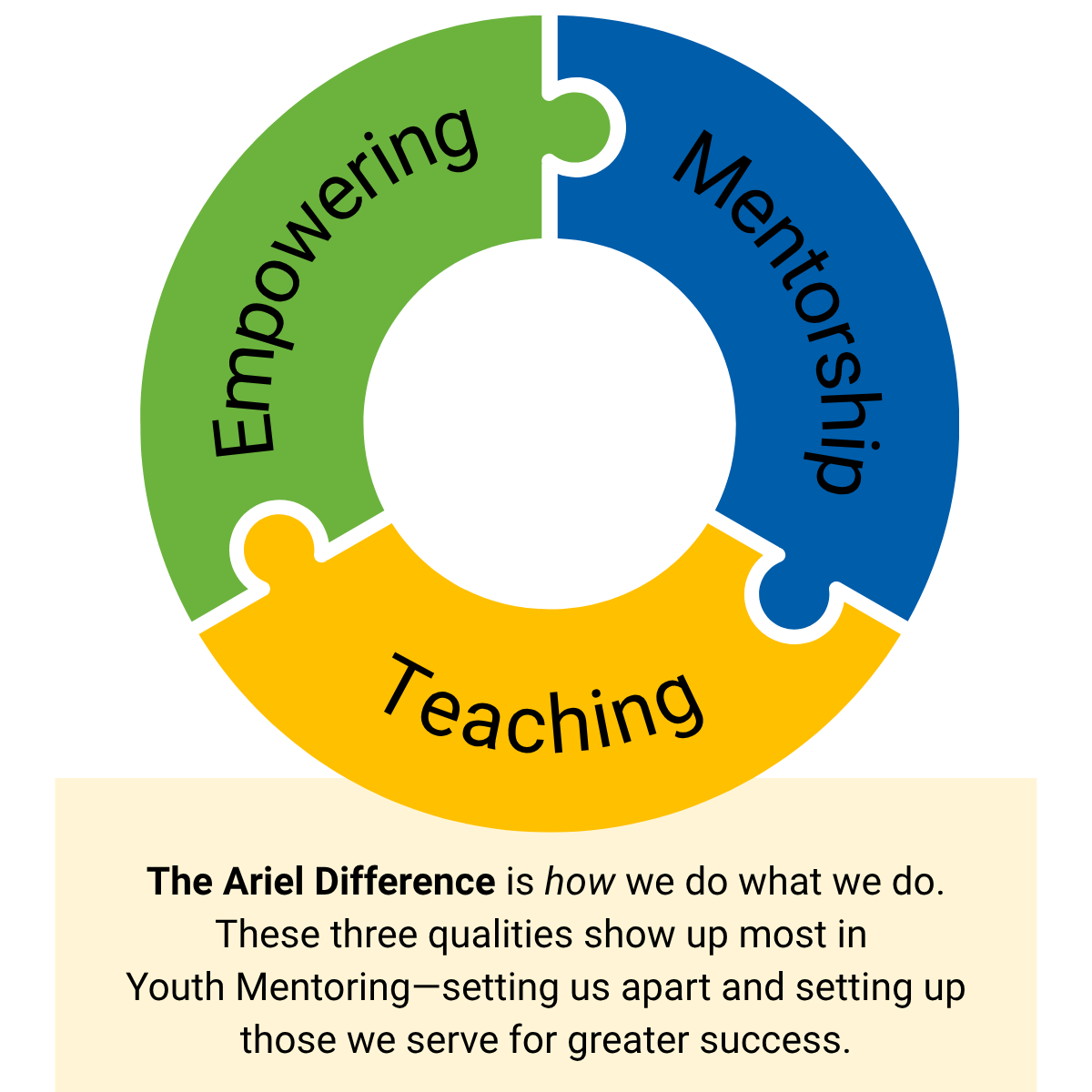
The Ariel Difference
Mentoring at Ariel starts with the relationship. The first few sessions are for getting to know each other, and the work toward goals grows out of that trust. Consistency matters as much as any activity: mentors and families keep to the weekly schedule, and on a hard week, the session still happens and backs up whatever plan the family has in place. Many young people who come through difficult childhoods point back to one steady adult who believed in them. A mentor can be that person.
Mentors are focused on the needs of each individual child and have the support and resources of the entire agency. Ariel’s building is open for cooking, crafts, and games, and groups meet there. When one young person’s interest in dance ran into the cost of a class her family couldn’t cover, Ariel found a way to help pay for it. And when a youth is part of other Ariel programs, the mentor is part of that team: in an Ariel foster home, the mentor joins the conversations about how best to support them, and with a release in place, mentors and therapists meet to work toward the same goals. When a youth nears adulthood and qualifies for Ariel’s adult services, that team can help the family make the move.

What youth mentoring includes
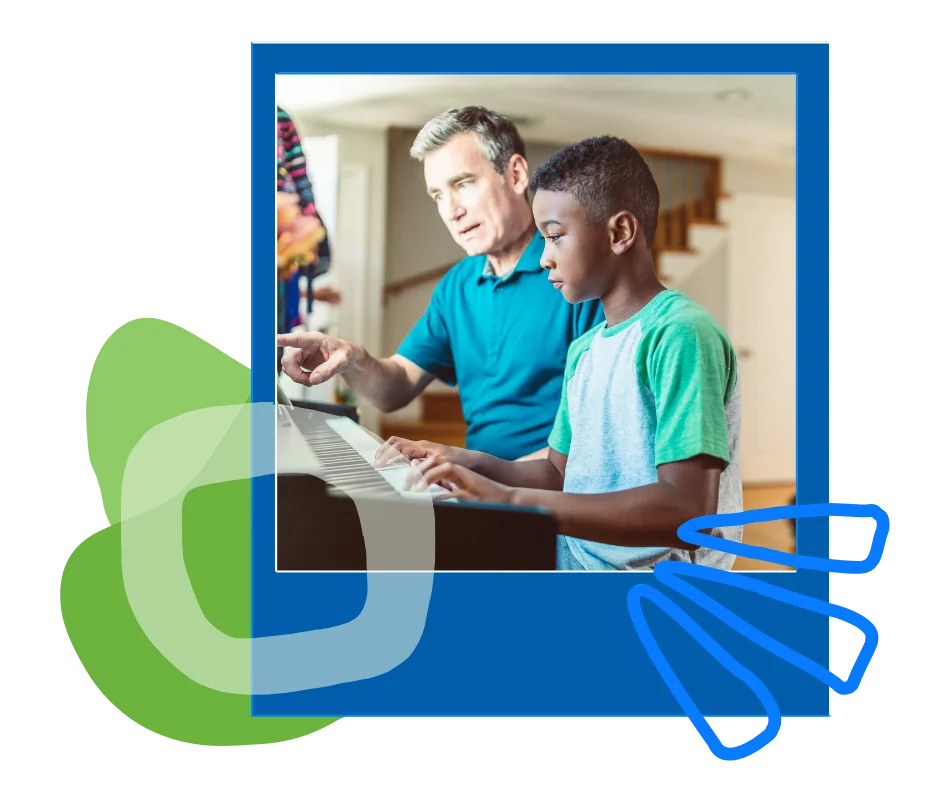
Every mentoring relationship starts with a meet and greet: the mentor, the youth, and the family together, usually at home. From there, sessions are built around two goals at a time, drawn from the youth’s treatment plan, from their therapist when the two are coordinating, and from the youth themselves. Goals are woven into activities, so a session doesn’t always look like the goal it’s working on. A youth building self-confidence might try rock climbing. A youth working on life skills might cook a meal.
Youth Mentoring includes:
- One-on-one mentoring | Usually once a week for about two hours, out in the community, at home, or at Ariel
- Peer support groups | Group activities for connecting with other youth, held at Ariel
- Independent living skills | Cooking, budgeting, job skills, and other practical skills, practiced in real-life settings
- Community access | Local partnerships that open doors to events and activities at little or no cost
- CES and CHRP waiver services | Hourly respite and community connector time for eligible children and youth, often more hours each week than standard mentoring, depending on authorization
- Summer program | Structured activities, time with peers, and mentoring during the summer months
- Behavioral support | Trauma-informed support for youth with behavioral challenges
- Therapy coordination | Mentors and therapists working toward the same goals when a youth is receiving both services
Sessions don’t need to cost money or go somewhere impressive. An afternoon at the library playing board games is time well spent.
Where we provide youth mentoring
Youth Mentoring started on Colorado’s Western Slope, where most mentoring happens today, and the program is growing. What’s available depends on where a young person lives and the mentors in that area. To find out what’s possible near you, contact your regional HQ.
How to get started
Youth Mentoring is referral-based. Referrals usually come from county human services departments, physicians, therapists, school professionals, waiver case managers, and other local agencies.
If you’re a family and you’re not sure where to start, contact your regional HQ. Staff can walk you through whether your child may be eligible and what a referral looks like for your situation. Some families want to talk with a person before anything else, and that works.
Interested in becoming a mentor? When the program is hiring, openings are posted on our Careers page.
Frequently Asked Questions (FAQs)
If you don’t find what you’re looking for below, feel free to ask your question via our Contact Form.
>> Stories on this site are about real people. To protect their privacy, names, details, and images may have been changed. <<