What are adult I/DD therapy services?
Adults with intellectual and developmental disabilities (I/DD) experience anxiety, depression, and trauma at least as often as anyone else, and finding a therapist who understands both can be hard.
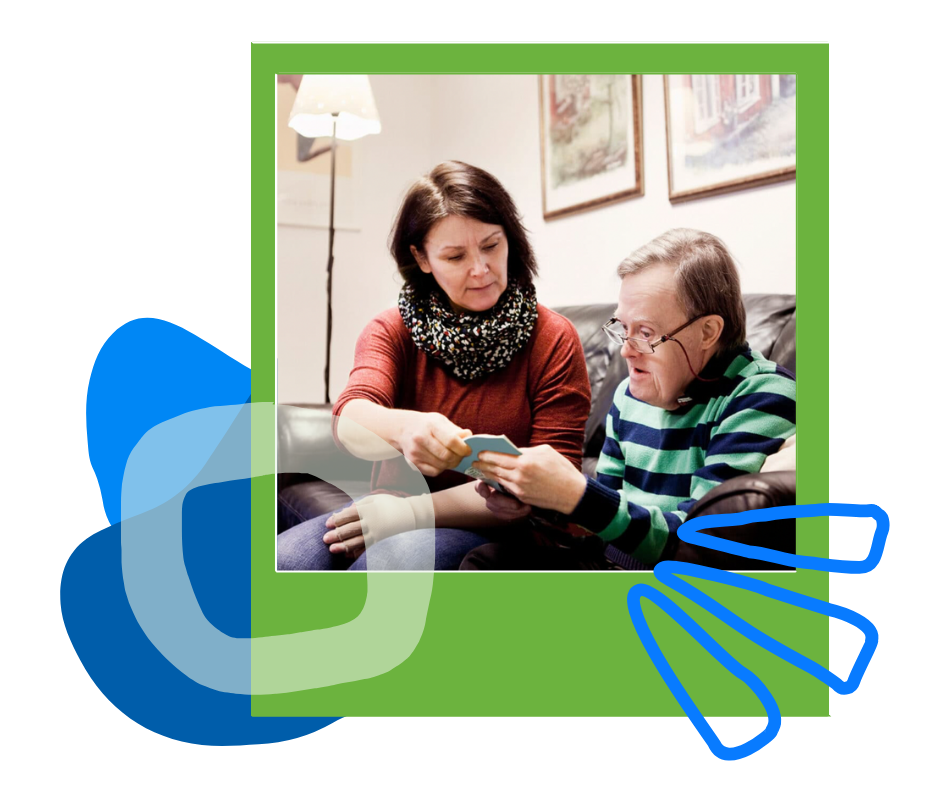
Ariel provides individual, family, and group therapy for adults with I/DD, alongside our child and family therapy services. We tailor these services to support people navigating mental health challenges, especially when they occur alongside I/DD. Depending on a person’s needs and goals, therapy may include traditional talk therapy or evidence-based approaches like Cognitive Behavioral Therapy (CBT), Dialectical Behavior Therapy (DBT), Eye Movement Desensitization and Reprocessing (EMDR), and others.
Everybody needs people in their corner. Start with You Belong Here, a page written just for you.
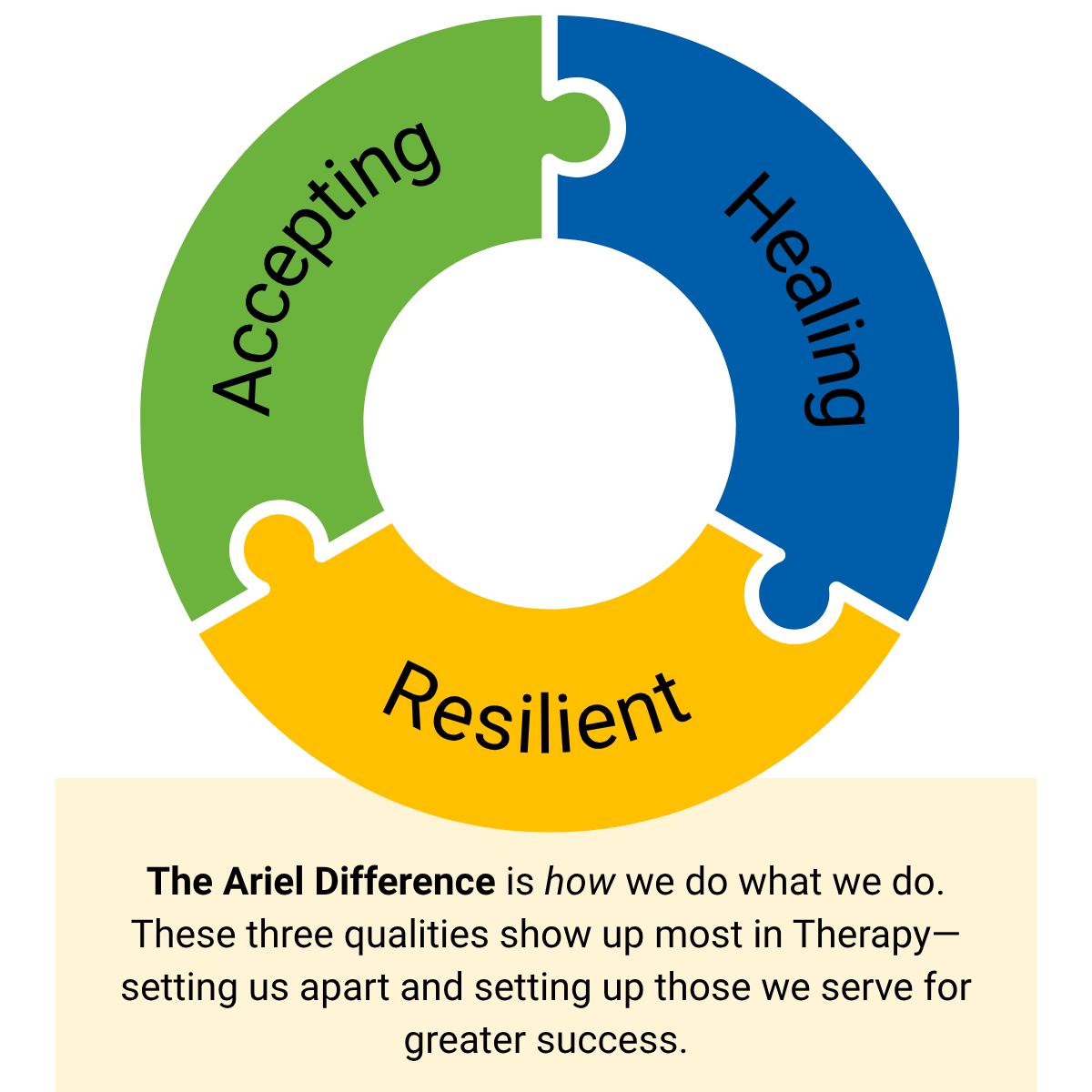
The Ariel Difference
Our therapy services are rooted in trauma-informed care, family systems thinking, and a deep understanding of the unique experiences adults with I/DD face. We take a compassionate, collaborative approach that looks at the whole person—their mental health, relationships, and overall wellbeing. Our team is experienced in supporting people with co-occurring conditions like post-traumatic stress disorder (PTSD), attention-deficit/hyperactivity disorder (ADHD), and more, using evidence-based techniques adapted to each person’s needs.
Because therapists work alongside Ariel’s case managers and residential teams, information can move quickly. When someone has a hard night, word can reach their therapist by morning, and sometimes that means an earlier session. We’ve seen a therapist step in on a weekend to help someone feel ready for a medical procedure. Beyond reducing symptoms, we want to help adults with I/DD build meaningful, thriving lives.
Types of adult I/DD therapy services
We tailor a variety of therapy options to the different needs of Members (the adults we serve). Each Member may take part in one or any combination of these, based on their needs and goals:

Specialized approaches
The team also includes therapists trained in these approaches:
- I/DD-specific therapy, Evidence-Based | Approaches adapted for people with intellectual and developmental disabilities, shaped around each person’s cognitive, emotional, and behavioral needs to support mental health and quality of life.
- Dialectical Behavior Therapy (DBT), Evidence-Based | Builds skills in four areas (mindfulness, distress tolerance, emotion regulation, and interpersonal effectiveness) to help people manage intense emotions, reduce self-harm, and improve relationships. It’s often used for depression, impulsive behavior, and suicidal thoughts. Watch a quick overview.
- Cognitive Behavioral Therapy (CBT), Evidence-Based | Helps people notice unhelpful patterns in their thinking and behavior and practice new ones, building problem-solving skills, confidence, and practical ways to cope with what’s happening now.
- Trauma-Focused CBT (TF-CBT), Evidence-Based | A version of CBT built for trauma. People work through trauma-related symptoms step by step, often with a caregiver involved, to ease the emotional and behavioral reactions that can follow a traumatic experience.
- Eye Movement Desensitization and Reprocessing (EMDR), Evidence-Based | While a person recalls a distressing memory, the therapist guides bilateral stimulation (eye movements, tapping, or pulsing devices) to help the brain reprocess it so it carries less distress. EMDR was first developed to treat trauma.
- High-intensity support therapy, Service Delivery Model | Brief, intensive treatment for people with complex mental health needs, with flexible options like in-home and community-based sessions when weekly therapy isn’t enough.
Additional support available with adult I/DD therapy services
Members in therapy may also access other supports. Availability varies by location, and your regional HQ can tell you what’s offered near you.
Where we provide adult I/DD therapy services
At this time, we provide therapy primarily at our regional headquarters (HQ) in Grand Junction, mostly in person. Contact your regional HQ to confirm availability, learn about other options, or ask any questions.
How to get started with adult I/DD therapy services
It’s as simple as contacting your regional HQ. If you already receive services through Ariel, your case manager can also send a referral straight to our therapy team; no outside approval is usually needed. Case management agencies (CMAs) can refer too, and we welcome self-referrals.
We accept Medicaid and offer private-pay options. If you’re unsure which payment options apply to you, ask your Ariel case manager or your regional HQ.
Frequently Asked Questions (FAQs)
If you don’t find what you’re looking for below, feel free to ask your question via our Contact Form.
Stories on this site are about real people. To protect their privacy, names, details, and images may have been changed.