What is adoption?
Adoption gives a child a permanent family, and at Ariel it follows one of two paths. Ariel has supported families on both since 2013. In private adoption, a birth parent voluntarily chooses to make an adoption plan and selects the family she wants to raise her child. In public adoption, often called foster-to-adopt, a child in foster care who can’t safely return home becomes legally free for adoption, meaning a court has ended parental rights, and the foster family has the opportunity to make that placement permanent. Both are real paths to building a family, and Ariel is licensed to support either one anywhere in Colorado.
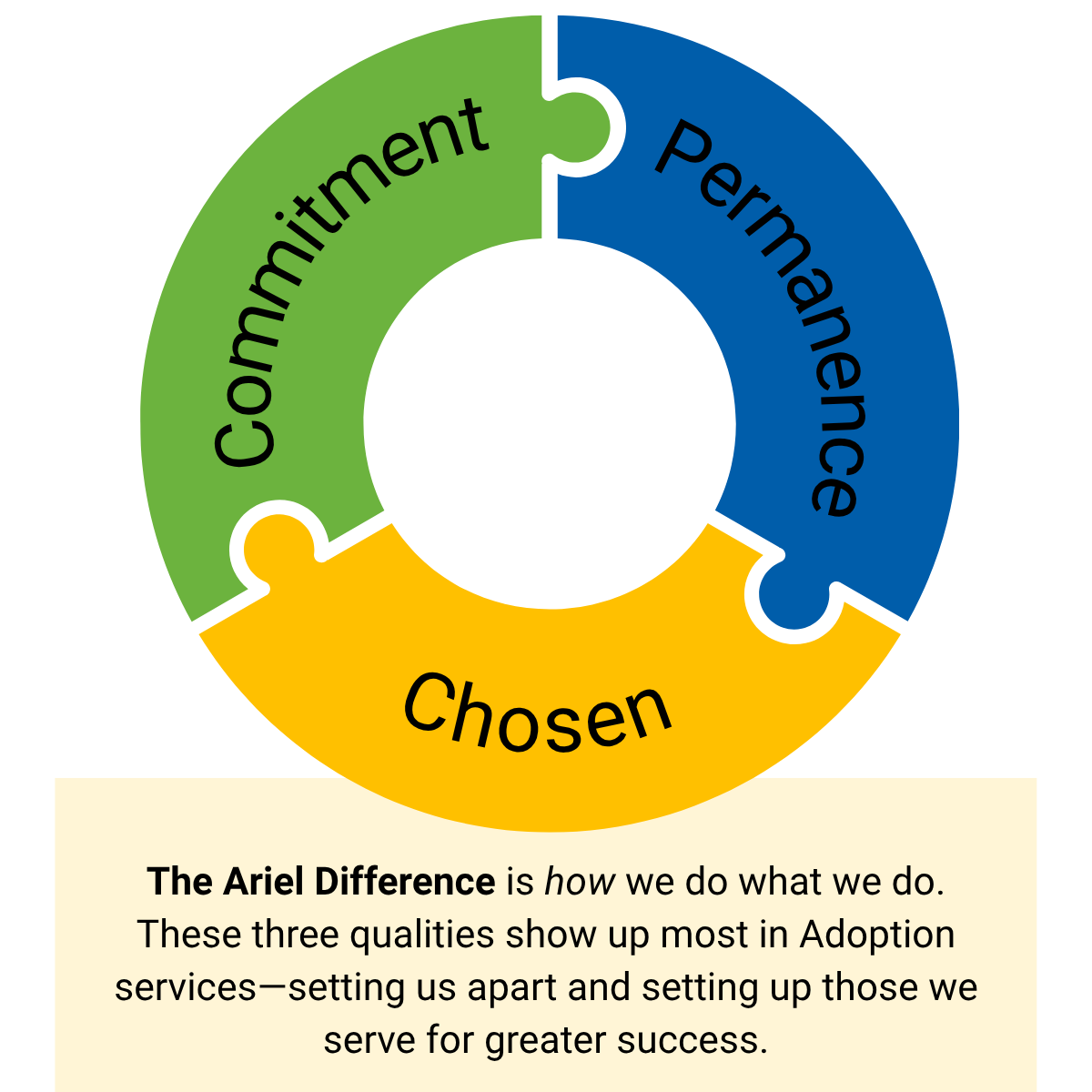
The Ariel Difference
Respect for both adoptive and birth parents is fundamental to an ethical and supportive adoption process. Every party in an adoption is going through something real, and everyone deserves to feel like someone is fully in their corner.
Preparation on either track looks well past placement day. Ariel’s curriculum for adoptive families addresses grief, loss, attachment, trauma, and what it means to parent an adopted child across a lifetime, including the teen years and the questions that come later. We want every adoption to last, long after the court makes it final. For birth parents, preparation looks different and aims at the same thing: a decision that feels right, made with full knowledge of what it means. A birth parent can meet as many families as she wants, and she decides who will raise her child.
Types of adoption
The right path depends on your situation, and a conversation with our team can help you figure out where to start.
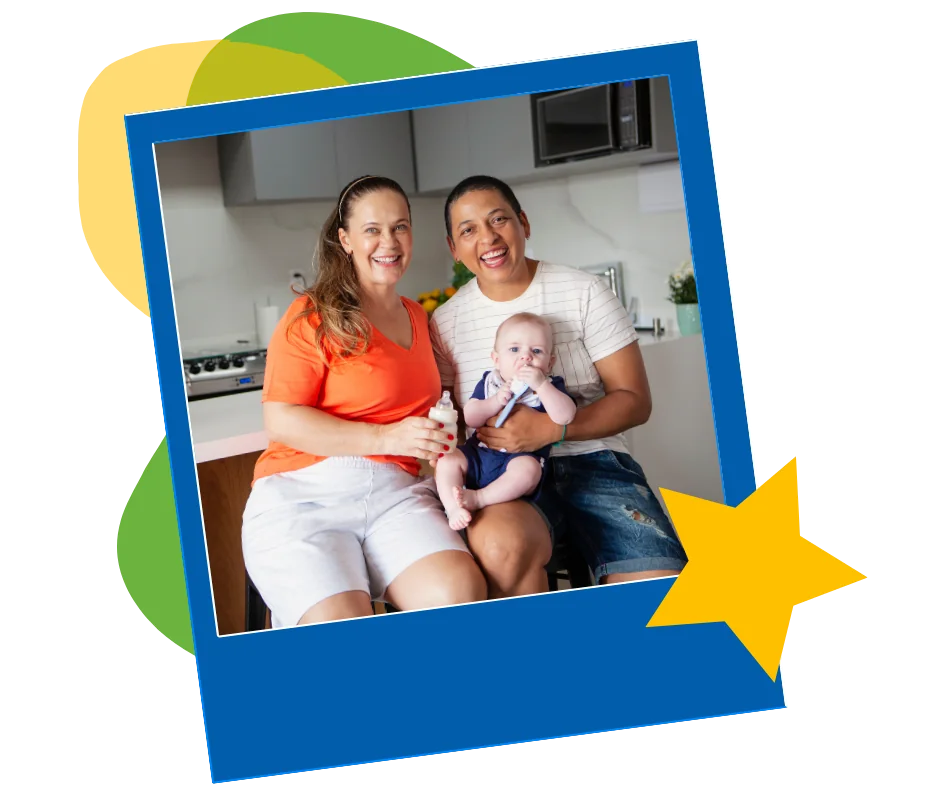
Private adoption
Private adoption through Ariel connects hopeful adoptive families with birth parents who are considering an adoption plan for their child. For adoptive families, the first step is certification, a process that includes your home study and prepares you to be matched. Once certified, you’ll create an adoptive family profile: a short, personal document with photos and, if you’d like, a note to a potential birth parent. Profiles matter. Some birth mothers save them for a lifetime as the only tangible reminder of the family they entrusted their child to. When a birth parent is ready to choose, she reviews Ariel’s book of profiles and meets the families she wants to know better. Ariel facilitates those meetings and supports her through the process. The timeline for matching varies and can’t be guaranteed; Ariel is honest about that from the start.
Colorado requires a six-month supervision period after placement, and Ariel visits monthly during that time. Afterward, the family works with an adoption attorney to petition the court for finalization.
Ariel can also facilitate interstate adoptions through the Interstate Compact on the Placement of Children (ICPC), a process that allows Colorado-certified Ariel families to adopt children from other states. It’s complex, but Ariel has the experience and the relationships to navigate it.
If a birth parent has already identified a specific family or person she’d like to raise her child, Ariel can support that process. This is called a designated adoption, and it follows the same path as any private adoption.
Open and closed adoption
Contact after adoption can look many ways. In Colorado, birth and adoptive families can make a post-adoption contact agreement part of the adoption decree, and the court can enforce it. An adoption attorney can explain how that works for your situation.
Fees
Adoption fees vary with the services involved and the circumstances of each adoption. Ariel is proud to offer some of the most competitive pricing in the industry. To review the full fee schedule and talk through costs that may come up along the way, schedule a time with our team. If you’ve already spoken with our team and are ready to pay your adoption fees, use the button below.

Public adoption
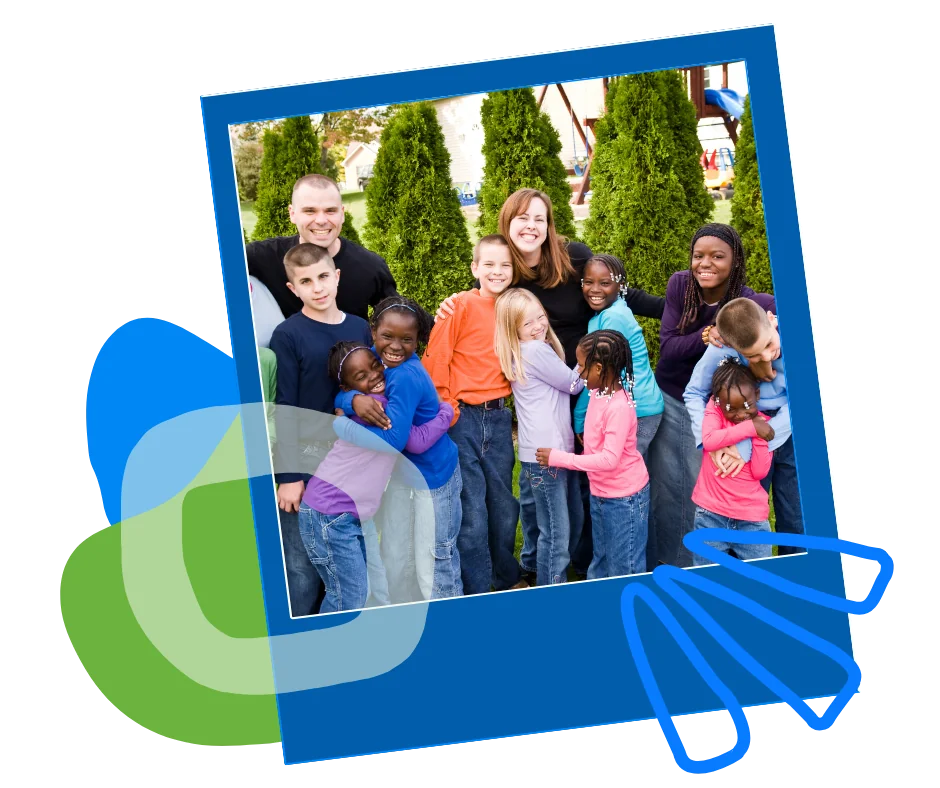
Public adoption, often called foster-to-adopt, begins with becoming a licensed foster parent. In foster care, reunification comes first: helping children return safely to their birth families or live with kin. When reunification isn’t possible and a court ends parental rights, a child becomes legally free for adoption, and the child’s foster family has the opportunity to adopt.
There are two starting points. Some children are already legally free and need a permanent family now. Others are still in foster care with an uncertain legal future, and families who take these placements enter what’s called a legal risk placement, where adoption is possible but not yet certain. Ariel will be honest with you about what each one involves.
Until the adoption is final, foster parents receive the monthly foster care stipend and medical coverage for the child. Children adopted from foster care may also qualify for ongoing Medicaid, and eligibility is worked out case by case. After finalization, families can close their foster care license. The county where the adoption is finalized becomes the main post-adoption resource, and Ariel can help families connect with those supports during the transition.
Wondering whether to start with foster care or adoption? Visit our Foster Care page to learn more.
Additional support available with adoption
Ariel’s most active support happens in the six months between placement and finalization. During the monthly visits, staff watch for attachment concerns, developmental milestones, and anything that might need attention before the adoption is final. If something comes up, Ariel connects the family with the right resources, such as therapy or a developmental evaluation.
After finalization, formal Ariel involvement ends, but the door stays open. Staff remain available for questions, referrals, and the kinds of things that don’t fit neatly into a program. Where Ariel offers therapy, families who want continued support can arrange it on a private-pay basis.
Where we provide adoption services
Ariel provides adoption services anywhere in Colorado, and families need to live in Colorado to be certified. Adoption inquiries go through the regional HQ closest to where you live. Contact your regional HQ, and we’ll connect you with the right person for your area.
How to get started
The starting point for both adoption tracks is a conversation. That first call doesn’t commit you to anything. It’s a chance to ask questions, understand the process, and figure out whether Ariel is the right fit for your family.
If private adoption is your path, an application and certification come next, including your home study and your adoptive family profile. If you’re drawn to foster-to-adopt, the first step is becoming a licensed foster parent, and the path from first conversation to license is laid out step by step on our Become a Foster Parent page. Either way, Ariel stays in touch through the wait, through placement, and through finalization.
If you’re a birth parent considering an adoption plan, you can reach out the same way. Talking with Ariel doesn’t commit you to anything, and the decisions stay yours.
Frequently Asked Questions (FAQs)
If you don’t find what you’re looking for below, feel free to ask your question via our Contact Form.
>> Stories on this site are about real people. To protect their privacy, names, details, and images may have been changed. <<